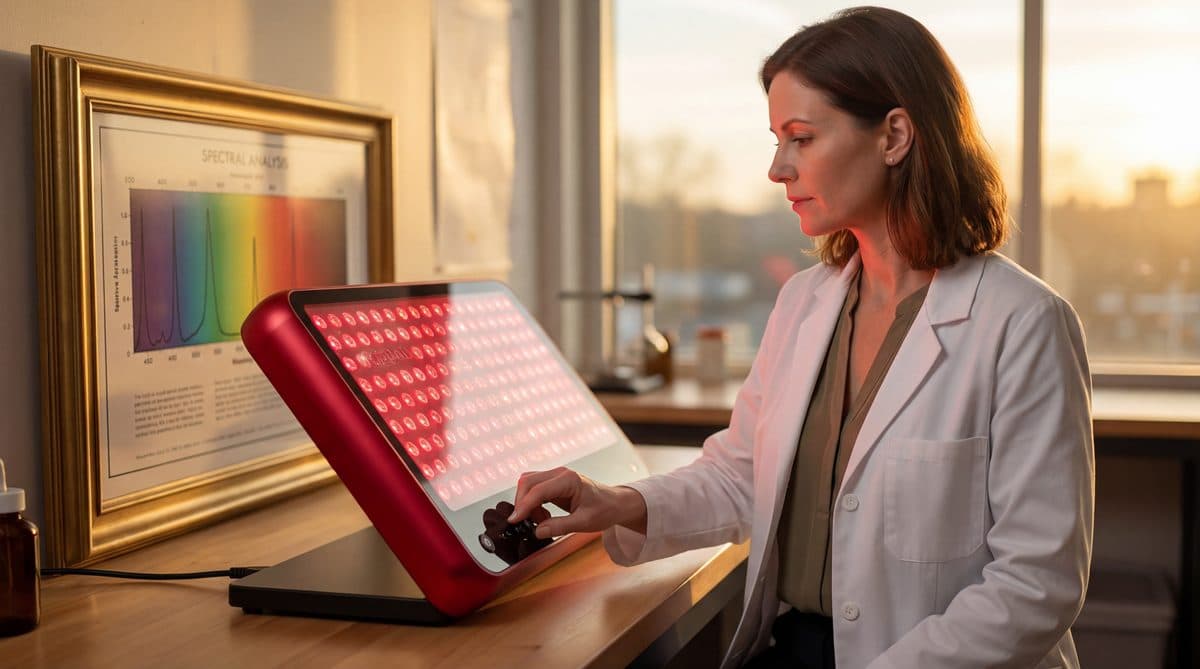
The red light therapy device market has exploded with options ranging from $30 face masks to $2,000+ full-body panels. With so much variation in price, power, and claims, choosing the right device requires understanding the science behind what actually makes red light therapy effective. We evaluated the leading devices using the same evidence-based methodology behind our AgeSmarter Efficacy Score.
What Makes a Red Light Therapy Device Effective?
Three factors determine whether a device delivers therapeutic benefit: irradiance (power density at treatment distance), wavelength accuracy, and coverage area. Irradiance is the most critical — a device must deliver sufficient energy to the target tissue to stimulate mitochondrial cytochrome c oxidase. Clinical studies typically use irradiance levels of 50-100+ mW/cm² at the treatment surface.
Many consumer devices, particularly inexpensive face masks and handheld wands, deliver irradiance levels of 5-20 mW/cm² — far below what's used in clinical research. While some benefit may occur at lower levels, the dose-response relationship in photobiomodulation research suggests that underpowered devices require impractically long treatment times to deliver therapeutic energy doses.
Understanding Irradiance Claims
The single most important specification for any red light therapy device is irradiance measured at treatment distance — typically 6 inches from the panel surface. Some manufacturers list irradiance 'at surface' or 'at 0 inches,' which is misleading since nobody presses their body against the LEDs. Always look for measurements at 6 inches or request them before purchasing.
Independent third-party irradiance testing is the gold standard. Joovv, PlatinumLED, and Mito Red have all had their panels tested by independent parties. Brands that only provide self-reported specifications without independent verification should be evaluated more cautiously.
Full-Body Panels vs Targeted Devices
Full-body panels (covering the torso or more) are the most versatile option, allowing treatment of large areas in a single 10-20 minute session. They typically deliver higher irradiance and enable systemic benefits like full-body inflammation reduction. The tradeoff is cost ($500-$900) and space requirements.
Targeted devices (smaller panels, handheld devices) work well for specific applications: face treatments for skin health, knee treatments for joint pain, or scalp treatments for hair growth. They're more affordable and portable but require longer total session times for full-body coverage.
How We Ranked These Devices
Our evaluation weighted Clinical Backing (40%) — does the device deliver wavelengths and irradiance levels used in published research? Bioavailability (30%) — repurposed here as 'Energy Delivery' — does the device effectively deliver therapeutic energy at treatment distance? Third-Party Testing (30%) — is irradiance independently verified, and does the manufacturer demonstrate transparency?
We evaluated 14 red light therapy devices from 9 manufacturers. Our full ranked list with individual Efficacy Scores is available on our Red Light Therapy Devices category page. This article covers the key findings and recommendations.
Key Takeaways From Our Evaluation
The performance gap between budget and premium panels is real but not as large as the price gap suggests. Mito Red's MitoPRO 1500 delivers roughly 85-90% of the Joovv Solo 3.0's irradiance at approximately 70% of the price. PlatinumLED's BioMax 600 offers the broadest wavelength coverage (five wavelengths) at a competitive price. Joovv justifies its premium through build quality, modular design, and company-funded research.
For most people starting with red light therapy, a mid-range full-body panel from Mito Red or PlatinumLED offers the best value-to-performance ratio. Those who want the premium experience and plan to expand their setup over time may find Joovv's modular system worthwhile. Budget options under $300 should be carefully vetted for actual irradiance specifications before purchasing.
Getting the Most From Your Device
Regardless of which device you choose, optimal results require consistent use. Treat for 10-20 minutes per area at 6-12 inches from the panel. Daily sessions appear to produce better outcomes than intermittent use in most clinical studies. Track your results objectively — photos in consistent lighting for skin, pain scales for joints, or performance metrics for athletic recovery.
Red light therapy is most effective as part of a comprehensive approach. It complements but does not replace sleep, nutrition, exercise, and sun protection. Used consistently with realistic expectations, it's one of the more evidence-backed recovery and health maintenance tools available.